Modern Digital Paper Printing Design: A Guide to Choosing the Right Patterns for Your Projects
Modern digital paper printing design is revolutionizing the way we bring artistic visuals to everyday items. Whether you're a fashion designer, an interior decorator, or a small business owner looking to stand out, understanding how to harness this technology can be a game-changer. The fusion of contemporary aesthetics with traditional print methods allows for vibrant, high-resolution patterns that can be applied to everything from clothing and textiles to accessories and home décor.
What Is Modern Digital Paper Printing Design?
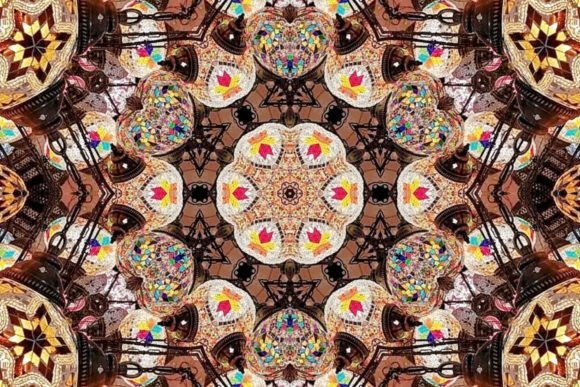
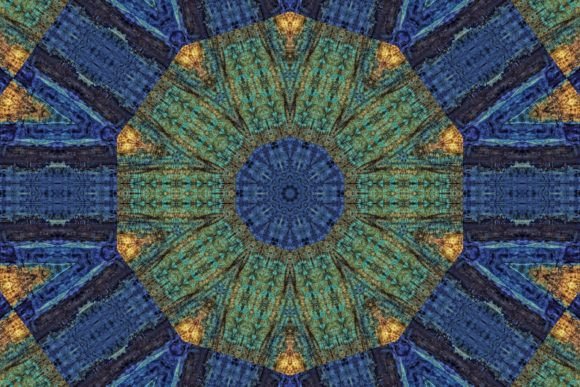
Modern digital paper printing design refers to the process of using advanced digital printers to transfer intricate and colorful designs onto various surfaces, especially paper and fabric. Unlike traditional screen printing, which requires multiple screens for different colors, digital printing enables full-color images in one pass. This makes it ideal for complex motifs such as kaleidoscope pattern design, scarf pattern texture, mandala decoration, and even retro or baroque-inspired art.
Why It's Gaining Popularity
This method is gaining traction due to its versatility and cost-effectiveness for both small and large runs. You can experiment with 3d rendering wallpaper effects, all-over prints, or minimalist line work without incurring massive setup costs. As trends like vintage, retro, and baroque continue to influence design choices, modern digital printing helps creators blend these styles into fresh, innovative products such as backpacks, visors, and yoga mats.
Overlooking Resolution Requirements
One of the most frequent errors when working with digital paper printing is not using the correct image resolution. Designs for printed items like table runners, napkins, or throw pillows require at least 300 DPI to maintain clarity. Low-resolution images will appear blurry or pixelated once printed, especially on textile design elements that are viewed up close.
Better approach: Always verify the recommended resolution for your specific product. For example, if you're creating a logo element for a key chain, ensure the graphic is sharp and scalable. Use vector formats where possible for logos and icons to preserve quality across any size.
Misusing Color Profiles
Digital printing often uses CMYK color profiles rather than RGB, which is common in digital displays. If you don’t convert your artwork before sending it for print, the final output may look dull or inaccurate. This is particularly important when dealing with bold, saturated hues found in kaleidoscope pattern design or modern mandalas.
Better approach: Always preview your design using a soft proofing tool that simulates how it will look in CMYK. Consult with your printer about their preferred color settings and test prints if necessary. This ensures that your scarf pattern texture or cover photo appears exactly as intended on the final product.
Ignoring Fabric Compatibility
Not all fabrics respond the same way to digital printing. Some materials, like cotton blends used in leggings or sports bras, absorb ink differently compared to synthetic materials used in sneakers or water bottles. Using the wrong type of fabric can lead to fading, cracking, or uneven print results.
Better approach: Before committing to a large order, request samples of your chosen pattern printed on the target fabric. For instance, if you're designing a pet blanket with a baroque-style background, confirm that the ink adheres well and remains soft after washing. This step is crucial for ensuring both durability and visual appeal.
Backgrounds and Wallpapers
When applying Modern Digital Paper Printing Design to backgrounds or wallpapers, consider the scale of the pattern. A kaleidoscope pattern might look stunning on a shower curtain, but if it’s too detailed or busy, it could overwhelm smaller surfaces like coasters or cutting boards. Balance is key to maintaining aesthetic harmony.
Clothing and Apparel
For clothing items like t-shirts, dresses and skirts, or aprons, the placement of the design matters. A scarf pattern might work beautifully on a bandana, but if stretched incorrectly on a face mask, it can distort the visual effect. Also, consider the movement and drape of the fabric—certain textures may not hold the design well over time.
Example: A retro mandala design printed on a stretchy material like spandex for swimwear should be tested for elasticity. High-quality digital printing can handle some stretching, but poor execution may cause the pattern to tear or shift during use.
Home Décor and Textiles
Products like bedsheets, blankets, and tablecloths demand patterns that are visually appealing at a distance and remain attractive when viewed up close. A 3D rendering wallpaper style might create depth on a wall, but on a throw pillow, it could lose impact unless the lighting highlights the texture properly.
Tip: When selecting a baroque or all-over print for carpets and flooring, opt for subtle gradients or layered textures that complement the room's overall design. Avoid overly complex details that may become lost in shadows or under furniture.
Choosing the Wrong Pattern Scale
Patterns designed for large-scale applications, such as website headers or backpacks, can appear overwhelming when scaled down for items like postcards or mugs. Conversely, small, intricate patterns may get lost when printed on larger surfaces like bath mats or duffel bags.
Solution: Tailor your pattern choice to the item's size and purpose. A delicate floral or geometric design might suit a sticker, while a bolder retro or vintage motif would better serve a duffel bag or phone case.
Underestimating White Space
A common mistake is filling every inch of the design space with detail. While kaleidoscope pattern design thrives on vibrancy, overcrowding can make the design feel cluttered or unprofessional. This is especially relevant for logo elements, pouches, and luggage tags, where simplicity enhances brand recognition.
Example: Instead of placing a dense mandala decoration across the entire face mask, leave margins and consider placing the pattern only on the front panel. This draws attention to the central design and prevents sensory overload.
Acrylic Blocks and 3D Elements
Using Modern Digital Paper Printing Design on acrylic blocks requires careful consideration of transparency and layering. If the pattern includes light or semi-transparent areas, the print might not show up correctly. Always specify whether the design is for opaque or transparent substrates.
All-Over Print vs. Spot Print
Deciding between all-over print and spot print is essential. All-over print gives a bold, immersive look, perfect for scarves, pillow covers, or table runners. However, it can be more expensive and less suitable for branding. Spot print, on the other hand, is great for logo elements, pin buttons, or stickers, offering targeted visual impact without unnecessary coverage.
Testing on Mockups
Before going into production, always visualize your design on a mockup. Many online tools allow you to see how your 3D rendering wallpaper looks on a backpack, or how a Modern Digital Paper Printing Design would appear on a yoga mat or flip flop. This helps avoid costly revisions and improves client satisfaction.
Things to Check Before Finalizing Your Design
- Resolution and format: Confirm that your file meets the printer’s specifications (usually 300 DPI, CMYK color mode).
- Fabric compatibility: Ensure the material is suitable for the type of ink and printing method being used.
- Pattern scalability: Test how the design looks at different sizes to avoid distortion or loss of detail.
- Mockup visualization: See your design on the actual product before approving it for mass production.
- Print longevity: Ask about wash resistance, UV protection, and fade prevention for items like leggings, swimwear, or shower curtains.
Conclusion
Modern digital paper printing design offers endless creative possibilities, from retro-inspired textile patterns to cutting-edge 3D renderings. By avoiding common pitfalls like incorrect resolution, incompatible materials, and excessive detail, you can ensure your designs perform well across all mediums. Whether you’re printing a fanny pack, a tea towel, or a visually striking website banner, thoughtful planning and testing will lead to better outcomes—and a more satisfied customer base.