Abstract Floral Art As Sublimation Motif: A Practical Guide for Design Integration
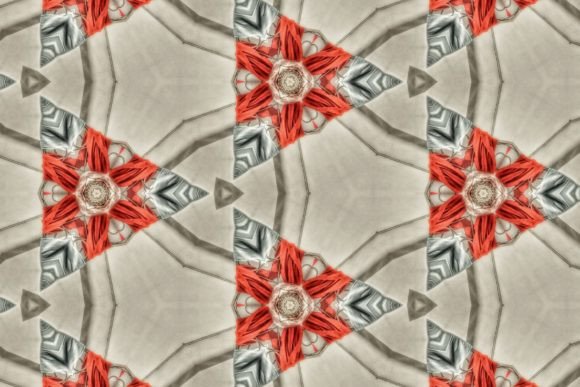
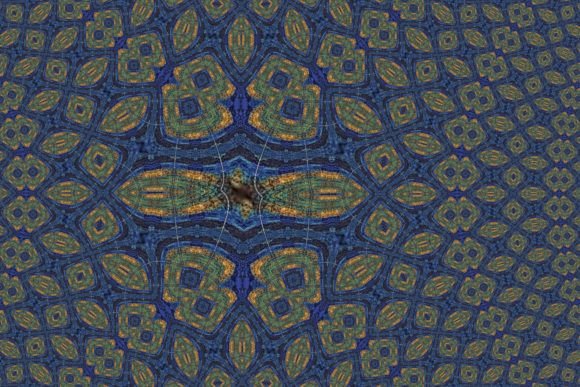
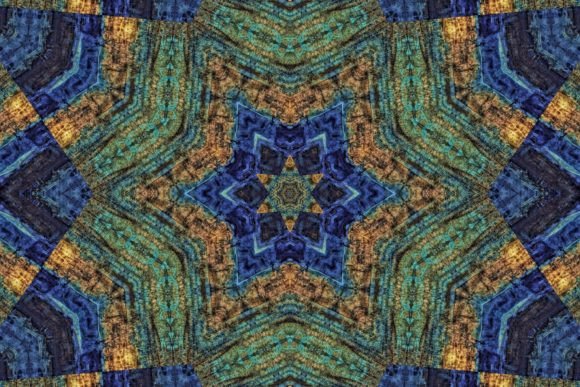
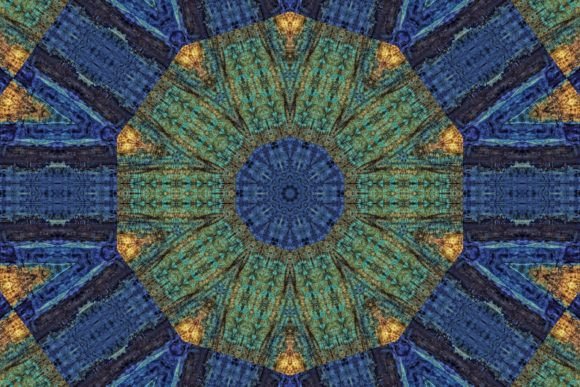
Abstract floral art as sublimation motif is a versatile and visually engaging design element that can elevate the aesthetics of various creative and commercial applications. By blending the organic beauty of flowers with abstract interpretations, this style creates a balance between familiarity and innovation. When used as a sublimation motif, it allows designers to apply these intricate patterns onto different surfaces using heat transfer technology, making it ideal for both digital and physical media.
Understanding the Role in Design Workflows
Sublimation printing has become a go-to method for professionals across industries due to its ability to produce vibrant, long-lasting prints on substrates like fabric, ceramics, metal, and plastic. The use of abstract floral motifs in this process introduces an artistic edge while maintaining functionality. Whether you're working on website visuals, textile design, or promotional materials, understanding how these motifs fit into your workflow is key to achieving cohesive results.
Preparation and Conceptualization
Before diving into the implementation phase, it's important to define the purpose of the abstract floral sublimation motif. For instance, if you're creating a user interface theme, consider the color palette and usability of the pattern. Abstract floral elements should complement the UI rather than distract from it. Similarly, when planning a festival dress using traditional Ajrakh-inspired designs, ensure that the motif aligns with cultural expectations and the event’s visual identity.
- Sketch out ideas for the motif manually or digitally before finalizing the design.
- Determine the scale and complexity based on the intended application (e.g., background vs. focal point).
- Use tools like Adobe Illustrator or Procreate to generate high-quality vector or raster-based abstract floral artwork.
Application in Different Creative Fields
The adaptability of abstract floral motifs makes them suitable for multiple domains. From digital illustrations to physical textiles, here are some practical ways to incorporate this design concept into your projects:
3D Illustration Art for Websites and UI Themes
Incorporating abstract floral sublimation motifs into 3D illustration art adds depth and warmth to digital spaces. These motifs work well as backgrounds for landing pages, app interfaces, or even as subtle accents in icons. To maintain clarity and usability, keep the contrast levels in check and avoid over-cluttering the space.
- Start by selecting a base shape or object for the 3D illustration (e.g., a button, panel, or full-page background).
- Overlay the abstract floral motif in a semi-transparent layer to preserve the 3D structure.
- Adjust the saturation and brightness so the motif doesn't overpower the interface elements.
Cover Photos and Interior Decoration Ideas
Abstract floral motifs can transform static images into dynamic visual experiences. For cover photos—whether for social media, books, or presentations—the motif can serve as a thematic backdrop that conveys emotion and style without being too literal. In interior decoration, they offer a fresh take on traditional floral prints, adding sophistication to walls, furniture, or lighting fixtures.
A popular trend is using batik-style abstract florals in wall panels or decorative cushions. This approach maintains the essence of batik while adapting it to modern tastes. When designing for interiors, test the motif on swatches before applying it to large areas to ensure compatibility with room lighting and existing decor.
Embroidery and Batik Concepts
Traditional techniques such as embroidery and batik can be reimagined with abstract floral motifs. These adaptations allow artisans to blend heritage with contemporary design language. For example, a festival dress might feature a stylized Ajrakh pattern reinterpreted through abstract shapes and colors, giving it a modern twist while honoring its roots.
To integrate these motifs into textile arts, consider the following:
- Use software like CorelDRAW or Photoshop to create scalable vector files for precise stitching or dye placement.
- Test the motif on sample fabrics to evaluate how it translates into tactile form.
- Collaborate with skilled embroiderers or printers who understand how to handle complex abstract patterns.
Textures for Carpets and Floor Mats
When applied to floor coverings, abstract floral motifs can enhance spatial perception and add character to a room. Textured versions of these motifs provide additional dimension, especially when printed using sublimation on synthetic fibers or woven materials.
Designers often combine abstract floral elements with geometric shapes or gradients to create unique textures. It's essential to maintain a consistent scale throughout the pattern to avoid visual dissonance. For example, small-scale abstract florals may work better for high-traffic areas like hallways, whereas larger motifs could be more appropriate for living rooms or offices.
Workflow Tips for Texture Creation
Here’s a streamlined approach to developing abstract floral textures for carpets and mats:
- Begin with a clean abstract floral sketch or digital mockup.
- Layer texture overlays or simulate fabric weave in post-production using tools like Blender or Substance Designer.
- Export the final design in high resolution for accurate printing or weaving.
Creating Digital Paper Prints
Abstract floral motifs are also gaining popularity in digital paper print design, especially for planners, journals, and stationery. Unlike traditional prints, digital paper allows for customization and scalability, which means your motif can evolve alongside user needs.
When designing for digital paper, focus on legibility. Use lighter weights and higher contrast where text will overlay the design. Consider modular layouts where the same motif can be repeated seamlessly across multiple pages or sections.
Integration with Productivity Tools
Many productivity-minded users rely on apps like Notion, Canva, or Adobe Express to manage their workflows. Integrating abstract floral sublimation motifs into templates or backgrounds within these platforms can personalize workspaces and inspire creativity during planning or brainstorming sessions.
Ethnic Motifs for Mandala Designs and Fabric Printing
Mandala art and fabric printing benefit greatly from the use of abstract floral motifs. Ethnically inspired mandalas often include floral elements as symbols of harmony and growth. By abstracting these forms, designers can make the motifs more universally appealing while still retaining cultural significance.
For fabric printing, especially in regions known for textile traditions, abstract floral motifs can be adapted to suit modern fashion trends. They’re commonly found in apparel, home décor, and accessories, offering a bridge between tradition and contemporary design.
Practical Implementation in Fashion and Decor
Implementing these motifs requires attention to detail and compatibility with production methods:
- Ensure the motif is repeatable and scalable for seamless printing on fabric rolls.
- Work closely with manufacturers to understand fabric types and printing limitations.
- Offer variations of the motif in different color schemes to cater to diverse customer preferences.
Long-Term Use and Consistency
One of the advantages of abstract floral motifs is their timelessness. Unlike hyper-trendy designs, abstract interpretations tend to age gracefully and remain relevant across changing styles. This makes them excellent candidates for long-term brand assets, recurring themes in websites, or staple designs in product lines.
To maintain consistency:
- Store motif variations in a centralized design library or asset management system.
- Use naming conventions that reflect the motif's use case (e.g., “Floral_Motif_UI_Background” or “Ajrakh_Style_Fabric_Print”).
- Document the design rationale and usage guidelines for future reference or team collaboration.
Quality Control and Usability
Whether your project involves digital or physical outputs, quality control remains crucial. For abstract floral sublimation motifs, this includes checking print alignment, color accuracy, and durability on different materials. Misaligned patterns or faded prints can diminish the overall impact of your design.
Usability is another factor to consider. If the motif is part of a website background or mobile app theme, it should not interfere with readability. Test the motif against varying content densities and font sizes to ensure it supports—not hinders—user experience.
Real-World Workflow Examples
Let’s explore two real-world examples to see how abstract floral motifs can be integrated effectively:
Example 1: Website Background Design
A marketing agency tasked with redesigning a wellness brand’s website decided to use an abstract floral sublimation motif as the main background. They followed this workflow:
- Created a low-poly abstract floral pattern using Adobe Illustrator.
- Converted the pattern into a repeating tile for web optimization.
- Applied it as a subtle gradient overlay in Figma to maintain accessibility standards.
- Tested the design across devices to confirm responsiveness and performance.
Example 2: Festival Dress Production
A textile studio wanted to introduce a new line of festival dresses inspired by traditional Ajrakh patterns. Their process included:
- Digitally scanning original Ajrakh block prints to extract core elements.
- Reinterpreting those elements into abstract forms using vector software.
- Printing the motifs onto silk and cotton blends using eco-friendly sublimation techniques.
- Testing the fabric for wash resistance and colorfastness before mass production.
Adapting for New Platforms and Assets
As new tools and platforms emerge, staying adaptable is vital. Many creators now use AI-assisted design tools to generate abstract floral variations quickly. However, it's important to review and refine AI-generated outputs to match your brand or project’s aesthetic standards.
Consider integrating abstract floral sublimation motifs into:
- Email newsletters with themed headers.
- Printed merchandise like mugs, phone cases, and tote bags.
- Backgrounds for video content or slide decks.
Conclusion
Abstract floral art as sublimation motif offers a rich, flexible option for enhancing design projects across disciplines. From 3D illustration to digital paper prints, these motifs bring an artistic flair while supporting functional design goals. By carefully planning their integration and considering factors like usability and longevity, professionals can leverage this style to create compelling, enduring visual solutions.