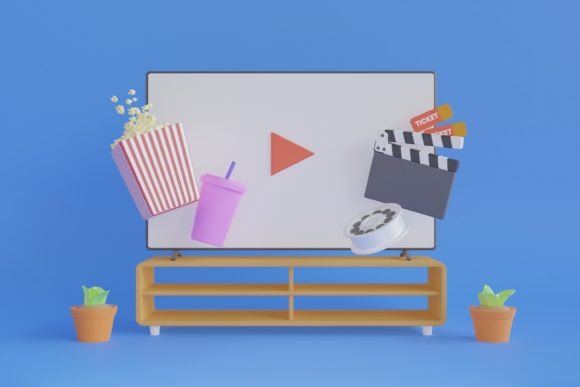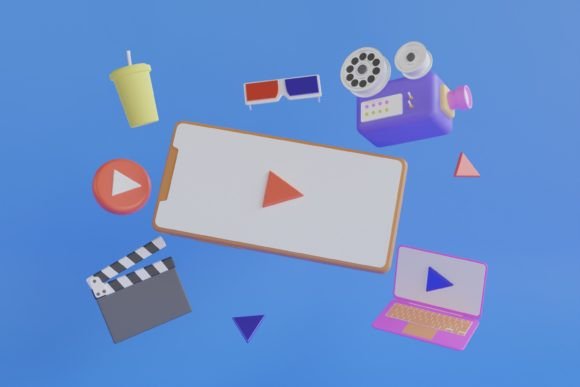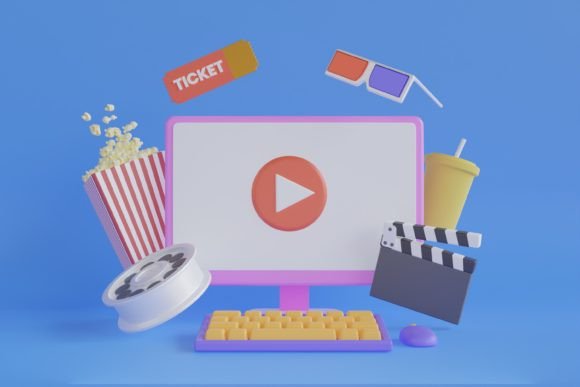
3D Online Cinema Art Movie Watching: A New Dimension in Visual Storytelling
3D Online Cinema Art Movie Watching is more than just a trend—it's a transformative way to experience movies. Unlike traditional 2D films, 3D online cinema art uses advanced design techniques and digital formats like JPG and PNG to create immersive, visually rich environments that bring stories to life in a whole new dimension. Whether you're a filmmaker, a designer, or simply someone who loves movies, understanding how this technology works and where it can be applied opens up exciting opportunities.
What Makes 3D Online Cinema Art Unique?
The term might sound technical, but the concept is rooted in creativity. At its core, 3D Online Cinema Art Movie Watching refers to the use of three-dimensional visual elements in online platforms to enhance the movie-watching experience. These visuals are often used in promotional materials, website interfaces, UI/UX design, and even as interactive backgrounds for streaming services.
These designs are usually created using high-resolution image files such as JPG and PNG. They can simulate depth, perspective, and motion—key components of cinematic storytelling—without requiring a full-motion video setup. This makes them incredibly versatile and easy to integrate into various digital projects.
1. Website Design and Landing Pages
For content creators and film studios looking to promote their latest releases, integrating 3D cinema art into websites can make a huge difference. Imagine visiting a movie site where the background subtly shifts as you scroll, creating an illusion of being inside the film’s universe. This kind of design doesn’t just look cool; it helps build emotional engagement and brand identity.
A practical example would be a landing page for an upcoming sci-fi film. The background could feature a futuristic cityscape rendered in 3D, with layers of buildings and vehicles giving a sense of depth. As users interact with the page, these layers move at different speeds, mimicking parallax scrolling and making the experience feel dynamic and alive.
2. UI/UX for Streaming Platforms
Streaming services are always looking for ways to differentiate themselves from competitors. Using 3D Online Cinema Art Movie Watching in UI design allows developers to craft more engaging user experiences. For instance, when a user hovers over a movie title, a 3D scene related to that film can animate in real-time, offering a sneak peek without playing a full trailer.
This approach is especially effective for art-house or independent films that rely on visual appeal to attract attention. A subtle 3D effect can help highlight the artistic direction of a film, enticing viewers to click and learn more.
3. Banners and Digital Advertisements
In the world of online marketing, standing out is crucial. Traditional flat banners are becoming less effective, and brands are turning to 3D visuals to capture attention. With 3D Online Cinema Art Movie Watching designs, advertisers can create eye-catching banners that mimic scenes from a movie, complete with lighting effects and layered perspectives.
Consider a banner promoting a horror film. Instead of just showing a static poster, the banner could have a dark alleyway with shadows moving in the background, making the viewer feel like they’re stepping into the scene. These kinds of animations are possible with well-crafted 3D images and simple scripting, making them accessible even for smaller production teams.
4. Posters and Print Media
Even though we're talking about online applications, the impact of 3D cinema art isn't limited to digital screens. High-quality JPG and PNG files with 3D effects can be printed as posters, creating a striking visual presence in theaters, cafes, or event spaces. These posters don’t just inform—they intrigue and captivate potential viewers before they even press play.
One popular technique is to use lenticular printing, which creates the illusion of movement or depth when viewed from different angles. But for online use, designers often opt for digital versions that offer similar effects through animation or interactive features.
5. Educational and Cultural Institutions
Museums, galleries, and educational platforms are also adopting 3D cinema art for movie-related exhibits or virtual tours. By incorporating these visuals into their digital displays, institutions can provide visitors with a deeper understanding of the filmmaking process and the artistic choices behind each scene.
For example, a museum showcasing the evolution of cinema might use 3D Online Cinema Art Movie Watching visuals to represent key eras in film history. Visitors could explore a digital gallery where each section feels like a scene from a classic movie, enhancing the overall learning experience.
Filmmakers and Directors
Filmmakers can use 3D cinema art to visualize storyboards or set designs digitally. It provides a cost-effective way to experiment with different aesthetics before committing to physical builds. Additionally, it helps in pitching ideas to investors by offering a more vivid representation of the film’s vision.
Marketing and Advertising Teams
Marketers love tools that increase engagement. 3D visuals are inherently more engaging and memorable than standard images. When used in promotions, they help generate buzz and excitement around a film launch. Moreover, since they can be reused across multiple platforms (websites, social media, print), they offer a scalable solution for branding efforts.
UI/UX Designers
Designers working on entertainment apps or platforms benefit from the creative flexibility that 3D cinema art offers. It allows them to build interfaces that feel cinematic and responsive, improving user satisfaction and retention. Tools like After Effects and Blender can turn static 3D images into interactive elements with minimal effort.
Art Students and Independent Creators
For those learning about digital art or starting their own creative projects, 3D Online Cinema Art Movie Watching serves as a valuable resource. It teaches principles of depth, composition, and visual hierarchy in a context that's both fun and functional. Many aspiring artists use these designs to build portfolios that showcase their ability to merge art and technology.
Things to Consider Before Choosing 3D Online Cinema Art
Before diving into using 3D cinema art for your project, there are several factors to keep in mind:
- File Format: JPG and PNG are widely supported, but PNG is preferred for transparent backgrounds or when layering is involved.
- Device Compatibility: Not all devices handle 3D visuals the same way. Test your designs on different screens and browsers to ensure consistency.
- Load Time: High-resolution 3D images can be large in file size. Optimize them to avoid slowing down your website or app.
- Context: Use 3D visuals where they add value. Overusing them can distract from the main message or overwhelm the user.
Another important consideration is the intended audience. While younger audiences may appreciate flashy 3D effects, older demographics might prefer a more minimalist and readable interface. Always balance aesthetics with usability.
Strengths and Limitations of 3D Online Cinema Art
One of the biggest strengths of 3D Online Cinema Art Movie Watching is its ability to evoke emotion and tell a story without words. A well-designed 3D scene can communicate the tone and style of a film instantly, helping viewers decide whether to watch it based purely on visual appeal.
Additionally, it supports cross-platform usage. You can take the same 3D design and adapt it for use on a mobile app, desktop site, or even in VR environments. This versatility makes it a powerful tool for modern digital storytelling.
However, there are limitations too. Creating high-quality 3D cinema art requires skilled designers and can be time-consuming. If not done carefully, it can lead to performance issues on websites or apps. Also, while 3D visuals are great for grabbing attention, they shouldn't overshadow the actual content they're meant to support.
Industries Embracing the Trend
Several industries have started leveraging 3D Online Cinema Art Movie Watching to enhance their offerings:
- Entertainment: From streaming platforms to ticket booking sites, the entertainment industry is using 3D visuals to enrich user experiences and drive conversions.
- E-commerce: Film-themed products or accessories are promoted using 3D visuals that showcase the item within a cinematic setting, helping buyers imagine the product in context.
- Education: Film schools and online courses are incorporating 3D cinema art into their teaching materials to demonstrate visual techniques in action.
- Advertising: Brands partner with filmmakers to create unique 3D campaigns that align with their identity and resonate with target audiences.
Practical Tips for Getting Started
If you're interested in using 3D Online Cinema Art Movie Watching for your next project, here are some tips to guide you:
- Start small. Experiment with one scene or element before expanding to full-page designs.
- Use existing assets. Many stock image sites now offer 3D-style visuals suitable for online use. Look for ones labeled "cinematic" or "film-inspired."
- Pair with audio. Adding ambient sounds or music can elevate the mood of your 3D visuals and create a more authentic movie atmosphere.
- Optimize for speed. Compress images without losing quality and consider lazy loading to improve performance.
You can also collaborate with artists who specialize in 3D design for cinema. Their expertise will help you achieve professional results even if you're not familiar with the technical side of things.
Why Choose 3D Online Cinema Art?
At the end of the day, 3D Online Cinema Art Movie Watching is about enhancing the emotional connection between the viewer and the content. It adds a layer of realism and creativity that flat images can't match. For businesses and creatives alike, it’s a way to stand out in a crowded digital landscape.
Whether you're designing a movie poster, building a streaming platform, or running a promotional campaign, integrating 3D visuals can give your work that extra spark. It's not just about watching a movie—it's about feeling like you're part of the story.