3D Work Stress and Bad Time Management: Understanding the Visual Metaphor for Modern Productivity Challenges
In today’s fast-paced digital world, professionals across industries face mounting pressure to manage their time effectively while juggling multiple responsibilities. The concept of 3D Work Stress and Bad Time Management has emerged as a compelling visual metaphor to represent these challenges in a three-dimensional space—offering depth and perspective to an issue that is often misunderstood or overlooked.
What Is 3D Work Stress and Bad Time Management?
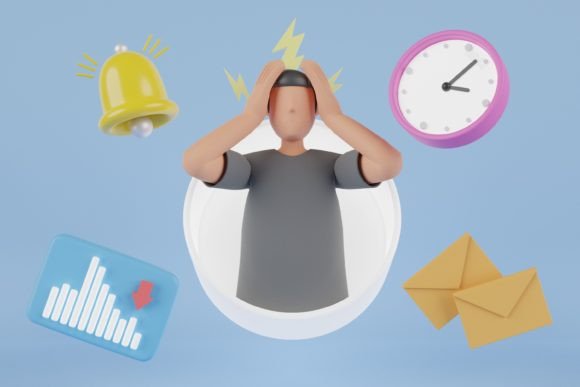
At its core, 3D Work Stress and Bad Time Management symbolizes how stress and poor time management affect not just one dimension of work but many. This design concept typically portrays elements like cluttered desks, chaotic timelines, and overwhelmed workers layered with spatial distortions and visual metaphors such as broken clocks, tangled wires, and distorted perspectives. These images reflect the complexity of modern work environments where individuals must balance professional tasks, personal life, and self-care—all while maintaining productivity and mental well-being.
The “3D” in this context isn’t just about visual appeal; it represents the multidimensional nature of work-related stress. It includes:
- Depth of responsibility: Juggling roles across home, work, and community life.
- Dimension of urgency: Deadlines, emails, and constant interruptions pulling attention in different directions.
- Disruption of flow: A lack of clear structure or prioritization leading to inefficiency and burnout.
Why This Design Resonates in Today’s Work Culture
With remote work becoming more common, hybrid schedules blurring the lines between office hours and personal time, and digital tools demanding constant connectivity, the need to visualize and understand work stress and bad time management has never been greater. The 3D design approach makes abstract feelings tangible, helping audiences grasp the emotional and logistical strain experienced by many in their daily routines.
This type of imagery is especially relevant for:
- Freelancers and entrepreneurs managing their own schedules without organizational support.
- Marketers and creators who deal with fluctuating project demands and client expectations.
- Business owners looking to improve team efficiency and reduce burnout rates.
- Educators adapting to new teaching formats and administrative burdens.
By using a 3D visual style, designers can communicate the idea that time and stress are not flat concepts—they’re layered, interconnected, and constantly shifting.
The Evolution of Work Stress and Time Management Visuals
A few years ago, infographics on work stress were mostly two-dimensional, using simple charts and icons to show rising workload or declining morale. While effective, they lacked the emotional impact that 3D visuals offer. Now, as we become more accustomed to immersive content through virtual reality, augmented reality, and even mobile apps, the use of 3D illustrations has grown significantly.
Designers have embraced this shift to create more engaging and expressive content. The 3D Work Stress and Bad Time Management theme is a natural extension of this trend. By adding layers of distortion, shadow, and spatial conflict to the design, it visually communicates the overwhelming nature of mismanaged time and uncontrolled stress levels.
Practical Applications of the Design
If you’ve come across the file titled “3D Work Stress and Bad Time Management” (JPG/PNG), you might be wondering how best to use it. This design is incredibly versatile and can be adapted for various purposes including:
- Banners and posters for wellness campaigns or productivity workshops.
- Website headers for articles or services focused on time management and mental health.
- Promotional materials for productivity tools, coaching programs, or mindfulness apps.
- UI/UX components within dashboards or apps that highlight user workload and task priorities.
Its ability to convey complex emotions in a single image makes it ideal for both informative and commercial contexts. For example, a productivity app promoting better scheduling might use this design in a carousel to show users what happens when they don’t manage their time wisely.
How to Use the Design Effectively
To get the most out of your 3D Work Stress and Bad Time Management image, consider the following tips:
- Pair it with concise messaging: The design alone is powerful, but combining it with a short, impactful text—such as “Reclaim Your Time Before It Reclaims You”—can help drive the message home.
- Use it as a conversation starter: Whether in a presentation or social media post, the visual can prompt discussions around real-world solutions like delegation, automation, and mindfulness techniques.
- Adapt it to your brand tone: If your business focuses on tech-driven productivity, keep the message sharp and data-focused. If you're in the wellness space, emphasize balance and recovery.
Real-World Examples of 3D Work Stress in Action
Consider a marketing team preparing for a product launch. Each team member is responsible for a specific task—content creation, graphic design, analytics, and client communication—but without proper time management, everything feels rushed. The 3D illustration could show a desk with overflowing folders, a calendar with overlapping deadlines, and a stressed figure surrounded by floating clocks and arrows pointing in conflicting directions.
Or take a freelancer trying to maintain a healthy work-life balance. The design could depict a laptop spilling over with documents, a phone buzzing endlessly, and a person caught in the middle of a spiraling timeline. This kind of imagery helps viewers empathize with the experience and recognize the signs early on.
Addressing the Problem Through Better Time Management
While the design captures the problem visually, the solution lies in practical strategies. Here are some actionable steps to mitigate 3D work stress and improve time management:
- Set clear boundaries: Define your working hours and stick to them. Turn off notifications after work or during personal time.
- Use the Eisenhower Matrix: Prioritize tasks based on urgency and importance to avoid getting bogged down by less critical work.
- Break large projects into smaller milestones: This creates a sense of progress and reduces the overwhelm associated with long-term goals.
- Automate repetitive tasks: Tools like Zapier, Trello, or Notion can streamline workflows and free up mental space.
- Practice mindfulness and regular breaks: Techniques like the Pomodoro method or brief meditation sessions can reset focus and reduce stress accumulation.
These approaches aren’t just theoretical—they’re being used successfully by teams and individuals navigating high-pressure environments. And when paired with the right visuals, like the 3D Work Stress and Bad Time Management design, they become even more relatable and persuasive.
Creating Awareness Through Visual Storytelling
Visual storytelling is a key element in today’s content strategy. As attention spans shrink and information overload increases, audiences respond better to messages that are immediately understandable and emotionally resonant. The 3D Work Stress and Bad Time Management design does exactly that—it tells a story without words, making it accessible to people from all backgrounds.
For businesses, this means the design can be used in:
- Employee onboarding materials to highlight the importance of work-life balance.
- Social media posts to encourage engagement around time management practices.
- Internal communications to spark conversations about workflow optimization.
And for educators, it can serve as a teaching tool to help students visualize the consequences of procrastination and disorganization.
Future Trends in Visualizing Work Challenges
As technology continues to evolve, so too will our methods of representing complex issues like work stress and time management. We’re already seeing more interactive designs and animated illustrations that allow users to explore different aspects of a problem. In the near future, expect to see:
- More personalized visuals tailored to individual work styles and habits.
- Integration with AI tools to provide real-time feedback on stress indicators and time usage.
- 3D models used in virtual training environments to simulate stress-inducing scenarios and teach coping strategies.
These innovations won’t replace traditional advice, but they’ll make it easier to engage with and act upon. The 3D Work Stress and Bad Time Management design is a stepping stone toward that future, offering a bridge between abstract problems and concrete solutions.
Final Thoughts
Work stress and poor time management are not just isolated issues—they are deeply embedded in the way we live and work today. The 3D Work Stress and Bad Time Management design brings this challenge to life in a way that’s both artistic and educational. It invites us to look beyond surface-level problems and consider the deeper, multidimensional forces at play.
Whether you're a designer looking to incorporate this file into your next project or a professional seeking ways to enhance your productivity, understanding the meaning behind the design can help you communicate more effectively. It’s not just about showing stress—it’s about acknowledging it and inspiring change.
So, next time you see a 3D illustration of work stress and time management issues, remember: it’s not just art. It’s a call to action.