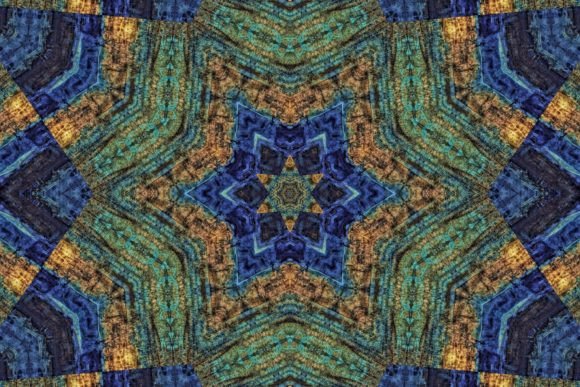
Ornamental Motifs Pattern Design: A Guide to Creating Timeless and Versatile Art
Ornamental motifs pattern design is a timeless art form that blends cultural heritage with modern aesthetics. These intricate designs, often inspired by historical and ethnic styles like Arabesque or geometric patterns from Moroccan and Turkish traditions, are used in various creative fields—from website backgrounds to carpet decorations, batik fabrics, and floor tiles. Understanding how to choose, apply, and adapt these motifs can elevate your project’s visual appeal while avoiding costly missteps.
What Is Ornamental Motifs Pattern Design?
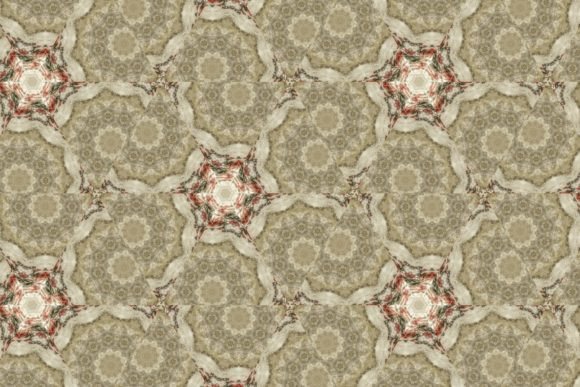
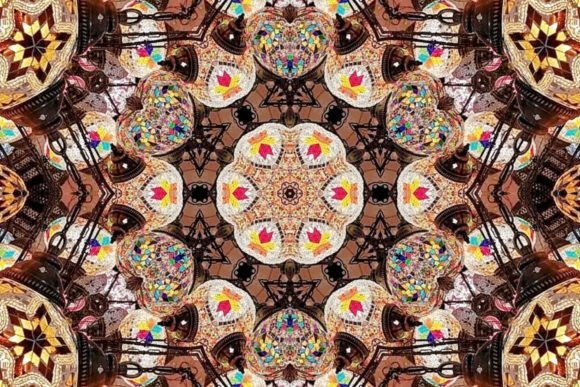
Ornamental motifs are decorative elements based on repetitive shapes, symbols, or figures arranged in a harmonious way. They often originate from specific cultural or artistic movements and are commonly seen in Islamic, Persian, and Mediterranean design traditions. In the context of pattern design, these motifs are repeated across surfaces to create cohesive and visually engaging textures.
These patterns are not just for looks—they carry meaning. For instance, Arabesque ethnic texture is deeply rooted in Islamic art and symbolizes infinity and divine harmony. Similarly, geometric stripe ornament designs from Moroccan and Turkish culture reflect balance and order, making them popular choices for both digital and physical spaces.
Why People Are Drawn to Ornamental Motifs
There are several reasons why ornamental motifs have remained popular:
- Cultural richness: These designs tell stories and connect people to history and tradition.
- Versatility: They work well as background designs, wall murals, or even in fashion prints due to their adaptable nature.
- Visual depth: When rendered in 3D illustration art, they add dimension and sophistication to any medium.
- Timelessness: Unlike trendy graphics, ornamental motifs remain stylish across generations.
Whether you're a marketer looking to enhance your brand visuals or an interior designer seeking unique carpet decoration ideas, ornamental motifs offer a compelling solution.
Common Mistakes in Choosing and Using Ornamental Motifs
Despite their beauty, many creators make avoidable errors when working with ornamental motifs. Here are some common pitfalls and how to sidestep them:
1. Overlooking Cultural Context
One frequent mistake is using motifs without understanding their cultural significance. For example, applying a sacred Turkish fashion tile pattern in a casual logo might send the wrong message or appear disrespectful.
Better approach: Research the origin and meaning behind each motif before incorporating it into your design. This ensures authenticity and avoids unintended offense.
2. Poor Scaling and Repetition
Repeated pattern design works best when the motifs align seamlessly at all scales. However, many designers use low-resolution images or poorly spaced motifs, which result in visible breaks or pixelation—especially noticeable in large-scale applications like wallpapers or carpets.
Example: A Moroccan textile print might look stunning at small size but fail to maintain its elegance when scaled up for a wall mural due to poor repetition and resolution.
Correction: Always ensure the pattern is designed at high resolution and test it by repeating it on a large canvas before finalizing.
3. Neglecting Color Harmony
Color plays a vital role in how ornamental motifs are perceived. Using clashing hues can overshadow the elegance of the design, especially in user interface themes or cover photos where clarity and focus are essential.
Tip: Stick to complementary color palettes and consider the background on which the pattern will sit. Subtle color variations within the same family can give depth without overwhelming the viewer.
Choosing the Right Type of Ornamental Motif
With so many options available, selecting the right motif for your project can be challenging. Let's break down the most popular types and their ideal uses:
Arabesque Ethnic Texture
Arabesque patterns feature flowing lines, floral forms, and interlacing geometries. Their organic feel makes them perfect for soft materials like embroidery and batik concept designs.
Use case: A luxury boutique might use an Arabesque ethnic texture as part of its branding to evoke elegance and tradition.
Geometric Stripe Ornament
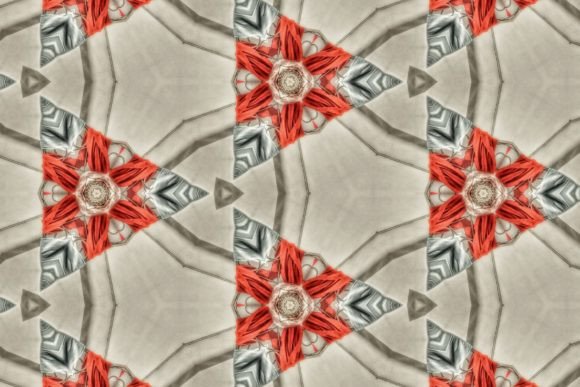
Geometric patterns, such as stripes and zigzags, are bold and structured. They are widely used in Moroccan textile prints and Turkish floor tiles for their ability to create rhythm and movement.
Use case: A modern café could incorporate a geometric stripe ornament as a cover photo to blend traditional charm with contemporary style.
Applying Ornamental Motifs in Digital and Print Media
The versatility of ornamental motifs allows them to be applied across multiple mediums. Here’s how to use them effectively in different contexts:
For Website Backgrounds and UI Themes
When using pattern for background design, remember that subtlety is key. Too much detail can distract users and slow down page load times.
- Opt for lighter colors or lower opacity if using a dark motif.
- Ensure the pattern doesn’t compete with text or buttons.
- Test the design on mobile devices to confirm readability and usability.
Example: A blog about travel might use a delicate Arabesque pattern in the background to reflect Middle Eastern architecture without overwhelming the content.
For Cover Photos and Social Media Graphics
A geometric stripe ornament cover photo can instantly grab attention, but only if balanced correctly. Many overlook the importance of contrast between the motif and the message being conveyed.
Fix: Use solid-colored sections or overlays to highlight important text areas. This keeps the design eye-catching yet functional.
In Interior Decorations and Carpets
Repeated pattern design for Moroccan textile prints or Turkish-inspired floor tiles must be carefully planned for spatial impact. The placement and scale can dramatically affect the room’s atmosphere.
Advice: Consider the room size and ceiling height before selecting a pattern. Large rooms can handle more complex and dense motifs, while smaller areas may benefit from simpler, spaced-out designs.
Where to Find and How to Evaluate Ornamental Motifs
High-quality ornamental motifs can be found through stock image sites, specialized pattern libraries, or custom illustrators. Before downloading or purchasing, check for the following:
- Resolution: Look for vector files or high-DPI raster formats for scalability.
- Licensing: Confirm usage rights, especially for commercial projects like marketing materials or product packaging.
- Repetition: Test the pattern in preview mode to see if it loops smoothly without visible seams.
- Adaptability: Ensure the motif works in grayscale or with color adjustments for accessibility and versatility.
Many free resources online lack proper licensing or quality control. Investing in a reputable source can save time and legal headaches in the long run.
Designing Your Own Ornamental Motifs
If you're a designer or hobbyist interested in creating your own motifs, here are some steps to follow:
- Sketch out simple base shapes like leaves, stars, or triangles.
- Refine the shape using software like Adobe Illustrator or Procreate for crisp edges.
- Create a seamless tile by adjusting spacing and overlapping areas.
- Experiment with 3D illustration art tools to add depth and realism.
Pro tip: Use symmetry tools to ensure consistency, especially for Moroccan textile print or Turkish floor tile designs. This helps maintain the pattern's integrity when repeated.
Practical Applications and Creative Uses
Here are a few real-world examples of how ornamental motifs can be creatively applied:
- Wallpaper for Wall Murals: Combine Arabesque ethnic texture with a muted pastel palette for a sophisticated living room backdrop.
- Interior Carpet Decoration Ideas: Use a bold geometric stripe ornament in a hallway runner to guide the eye and add structure.
- User Interface Theme: Incorporate a subtle repeated pattern design in app backgrounds to provide a sense of continuity without distraction.
- Embroidery and Batik Concept: Digitally render motifs for embroidery templates or batik fabric printing to preserve the original design’s essence.
By choosing the right motif and application method, you can turn a simple surface into a statement piece.
Final Thoughts on Making Smart Design Choices
Ornamental motifs pattern design offers endless possibilities for creative expression. However, success depends on thoughtful selection, accurate scaling, and respectful adaptation. Whether you’re sourcing ready-made motifs or designing your own, always prioritize quality and context.
Before finalizing any design decision, ask yourself:
- Does this motif suit the intended purpose and audience?
- Will it scale well across different sizes and mediums?
- Am I using culturally appropriate elements?
- Is the file format suitable for my needs (e.g., SVG for web, PNG for print)?
By addressing these questions early in the process, you’ll avoid common mistakes and create designs that resonate both visually and emotionally with your audience.