Ornamental Element Design for Any Print: A Versatile Approach to Ethnical and Decorative Motifs
Ornamental Element Design for Any Print is a creative strategy that blends traditional aesthetics with modern applications. It involves the use of intricate patterns, cultural motifs, and decorative elements in a way that can be adapted across various print mediums—ranging from festival dresses and fabric prints to digital backgrounds and interior décor. This design philosophy emphasizes versatility while preserving the essence of heritage and artistry.
The Essence of Ornamental Elements in Print Design
At its core, Ornamental Element Design for Any Print focuses on the integration of symbolic, artistic, and culturally significant visuals into functional and decorative items. These designs are often rooted in history, such as the Ajrakh floral pattern, a centuries-old textile motif from India that symbolizes purity and prosperity. When applied to contemporary contexts like fashion or home décor, these elements maintain their cultural depth while offering a fresh visual appeal.
What sets this approach apart is its adaptability. Unlike rigid design formats, ornamental elements can be reinterpreted, scaled, and combined to suit different purposes—from embroidery on garments to batik-inspired textures for carpets. The key is maintaining the integrity of the original motif while tailoring it to fit specific needs and trends.
Ethnical Motifs in Mandala and Fabric Prints
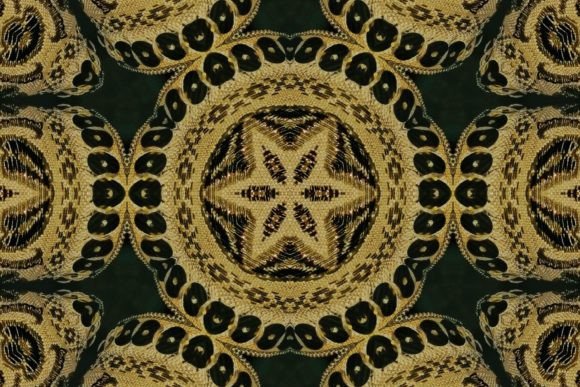
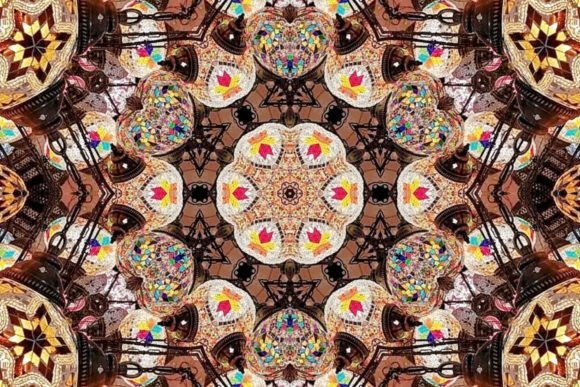
Mandala designs, which originate from spiritual traditions in Asia, are a popular choice within the scope of Ornamental Element Design for Any Print. Their symmetrical and meditative nature makes them ideal for both fabric prints and digital paper designs. When used in clothing, especially for festivals, mandalas evoke a sense of harmony and celebration, aligning well with cultural themes.
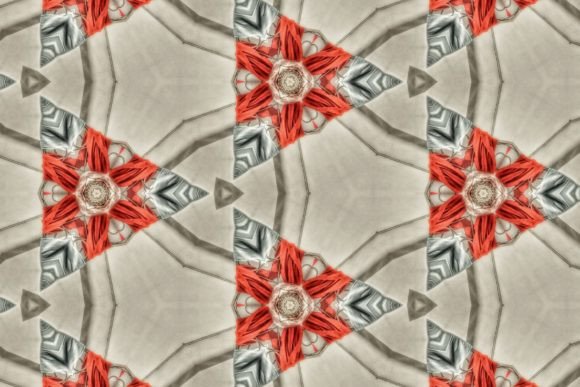
In contrast, Ajrakh patterns are deeply tied to regional textiles, particularly in Sindh and Kutch. These geometric and floral motifs are traditionally block-printed using natural dyes and are now being digitally replicated for broader accessibility. Both styles exemplify how ethnical motifs can evolve without losing their identity, making them suitable for a wide array of printed products.
Strengths of Ethnical Motif Integration
- Cultural authenticity: Designs like Ajrakh or mandalas carry historical significance, which adds value and meaning to the final product.
- Visual richness: These motifs offer a level of detail and complexity that enhances the aesthetic quality of any print medium.
- Market differentiation: Incorporating unique ethnical elements can help products stand out in competitive markets, especially in the realms of fashion and home décor.
Comparing Ornamental Element Design with Other Approaches
While ornamental design offers many benefits, it's important to compare it with other styles and methods to determine the best fit for your project. For instance, minimalist design prioritizes simplicity and clean lines, which may not complement the detailed nature of ethnical motifs. However, in certain cases, minimalism can serve as an effective backdrop for ornamental elements, allowing them to shine without distraction.
Abstract pattern design, on the other hand, provides more freedom in interpretation. Abstract patterns can mimic the organic flow of traditional motifs while being less bound by cultural expectations. This makes them ideal for backgrounds, UI themes, or cover photos where subtlety and modernity are key. That said, abstract designs may lack the storytelling power and emotional resonance found in ethnical motifs.
When to Choose Ornamental Element Design for Any Print
Opt for Ornamental Element Design when you want to infuse a piece with cultural context or visual depth. It works exceptionally well for:
- Festival attire: Traditional patterns like Ajrakh bring authenticity and festivity to garments, especially during celebrations such as Diwali or Eid.
- Decorative ornaments: Whether carved, embroidered, or printed, ornamental elements add character and elegance to accessories and wall art.
- Digital paper prints: From greeting cards to website headers, these designs offer a touch of tradition in a modern format.
Tradeoffs and Limitations to Consider
Despite its advantages, Ornamental Element Design isn't always the optimal choice. One limitation is scalability—certain traditional patterns may not translate well at smaller sizes or in low-resolution formats. Additionally, complex motifs can sometimes overwhelm a design, making it less effective in environments where clarity is crucial, such as user interfaces or signage.
Another consideration is the learning curve involved in understanding the symbolism behind each element. Misinterpretation can lead to unintended results, so working with skilled designers who have knowledge of cultural contexts is essential. Moreover, producing high-quality prints of ethnical motifs often requires specialized tools or techniques, such as batik or hand-embroidery, which may increase production costs and time.
Best-Fit Applications and Use Cases
Here are some scenarios where Ornamental Element Design for Any Print excels:
- Interior decoration: Think of floor mats, carpets, or wall art featuring batik textures or Ajrakh-style repeats. These pieces can transform a space into a richly layered environment.
- Digital media: Websites, mobile apps, and social media covers benefit from abstract interpretations of traditional motifs. They add visual interest without overwhelming the viewer.
- Textile manufacturing: Using 3D illustration art based on ethnical patterns allows for innovative takes on classic designs, appealing to both traditionalists and contemporary consumers.
Exploring Texture and Embroidery Concepts
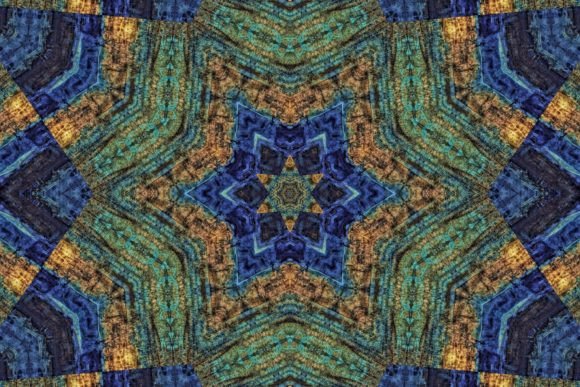
Texture plays a vital role in the success of ornamental design. In textile printing, batik techniques introduce subtle yet impactful texture through wax-resist dyeing. Similarly, embroidery concepts allow for tactile enhancements, adding dimension to fabrics. These methods can be digitally simulated to create realistic effects for virtual environments or printed materials where physical texture isn’t possible.
For example, a designer might take a traditional Ajrakh pattern and apply an embossed effect in a digital layout for a luxury fashion brand’s online store. The result maintains the motif’s heritage while adapting to modern web standards. Likewise, carpet textures inspired by batik can give flooring options a unique blend of comfort and visual intrigue.
Adapting for Different Mediums
Choosing the right application method depends on the medium. For fabric prints, screen printing or digital textile printing are efficient for mass production. On the other hand, handcrafted embroidery is better suited for bespoke items or artisan collections. For digital uses, vector-based illustrations ensure scalability and clarity across all devices.
It's also worth noting that while 3D illustration art can replicate real-world textures, it may not fully capture the soul of handcrafted motifs. Therefore, balancing technological capabilities with cultural intent is key to achieving authentic results.
Abstract Pattern Design as an Alternative
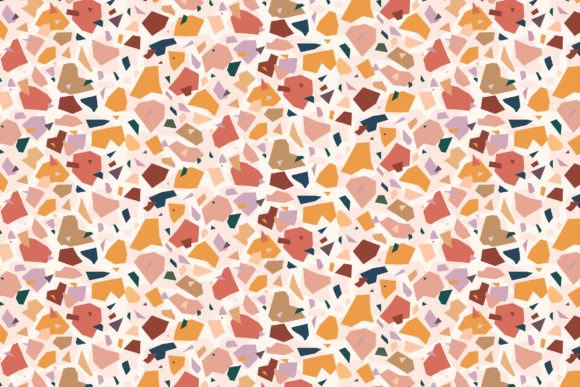
If you're looking for something less literal but still inspired by traditional forms, abstract pattern design could be a great alternative. These patterns often draw from the shapes and colors of ethnical motifs but simplify or stylize them. This makes them versatile for backgrounds, logos, and even branding materials where a subtle nod to tradition is desired.
Abstract designs are particularly useful in modern UI themes. They provide enough visual interest to avoid monotony but remain unobtrusive, ensuring readability and functionality. However, they may not resonate with audiences seeking strong cultural representation or those in niche markets that prioritize heritage-based aesthetics.
Decision Factors for Choosing Between Styles
When deciding between ornamental and abstract pattern design, consider the following factors:
- Target audience: Are they drawn to traditional artistry, or do they prefer contemporary minimalism?
- Application context: Will the design be used in print, digital, or mixed media? How will it interact with text or other UI elements?
- Budget and timeline: Handcrafted techniques require more time and investment, while digital adaptations offer speed and cost efficiency.
- Brand identity: Does the motif reflect your brand values? Is there a need for innovation or preservation?
3D Illustration Art for Modern Applications
3D illustration art has become a powerful tool in applying ornamental elements to modern platforms. Whether it's for website visuals, interior decoration ideas, or even packaging, 3D modeling allows for dynamic presentation of traditional motifs. For example, a 3D version of an Ajrakh pattern can be used as a cover photo for a fashion blog, giving the design a lifelike presence and drawing attention with depth and color variation.
This technique is especially beneficial for creating immersive experiences in virtual spaces. Interior decorators might use 3D renders of ornamental wall panels to showcase design possibilities before installation. Yet, it's important to remember that 3D art should enhance—not overshadow—the original motif’s meaning and craftsmanship.
Realistic Examples of Application
Let’s look at a few practical examples:
- A boutique clothing line uses an abstract Ajrakh pattern for a collection of festival wear, combining tradition with a modern twist.
- An interior designer integrates batik-inspired textures into a digital wallpaper theme, blending cultural flair with usability in a living room setting.
- A tech startup employs 3D illustration art based on mandala motifs for its website background, aiming to evoke calm and creativity among users.
These cases highlight how Ornamental Element Design for Any Print can bridge the gap between past and present, offering solutions that are both meaningful and marketable.
Final Thoughts on Choosing the Right Design Strategy
Ornamental Element Design for Any Print is a compelling option for those interested in merging tradition with modernity. It brings depth, uniqueness, and cultural relevance to a wide range of products. However, its suitability depends on the intended use, audience preferences, and technical constraints.
By evaluating alternatives like abstract patterns or 3D illustration art, you can make a more informed decision about whether to embrace ornamental design or explore a different path. Ultimately, the goal is to choose a style that aligns with your vision, communicates effectively, and meets the needs of your users or customers.