Elements for All Kind Background Design: A Practical Guide to Choosing the Right Visual Themes
Background design is more than just a visual layer—it's a foundational element that influences user experience, brand perception, and overall aesthetics. Whether you're creating a website, designing a cover photo, or planning interior decor, Elements for All Kind Background Design offers a rich palette of options to explore. From mystical patterns to contemporary geometric styles, these elements can elevate your project from ordinary to extraordinary. However, selecting the right background isn't always straightforward. This guide will walk you through common pitfalls and provide actionable tips to ensure your choices enhance rather than hinder your design goals.
Understanding Elements for All Kind Background Design
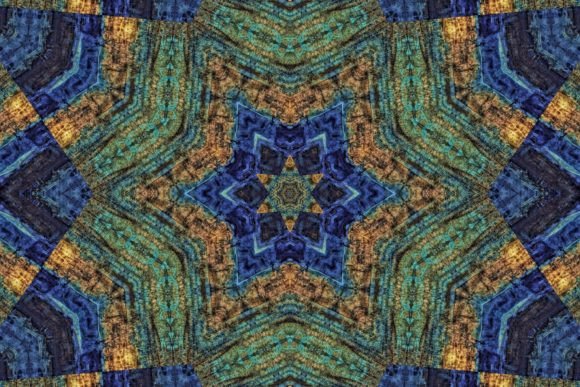
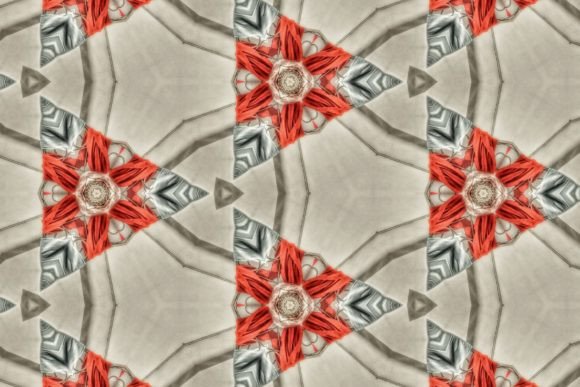
Elements for All Kind Background Design refers to a collection of visual components—patterns, textures, illustrations, and motifs—that are versatile enough to suit multiple applications. These include:
- Mystical pattern design featuring intricate, symbolic, or ethereal motifs
- 3D illustration art for depth and dimension in digital spaces
- User interface themes with subtle yet impactful background layers
- Cover photos with bold ethnic or modern designs
- Interior carpet decoration ideas inspired by traditional and contemporary patterns
- Wallpaper for wall murals that bring life to large surfaces
- Embroidery and batik concepts adapted into digital formats
- Contemporary pattern backgrounds suitable for minimalist or modern aesthetics
- Arabesque ethnic texture for a touch of elegance and heritage
- Geometric stripe ornament for structured and dynamic visuals
- Repeated pattern design used in Moroccan textile prints and Turkish floor tiles
These elements cater to diverse needs, but their effectiveness depends on how well they align with the intended use and audience expectations.
Common Mistakes When Selecting Background Designs
One of the biggest mistakes designers make is choosing a background purely based on its visual appeal without considering context. For example, using a complex Mystical pattern design as a user interface theme might overwhelm users and reduce readability. Similarly, applying a vibrant geometric stripe ornament to a cover photo meant for professional branding could clash with the desired tone.
Another frequent oversight is ignoring scalability. Many people download high-quality 3D illustration art only to find it doesn’t render well when resized for different platforms like mobile devices or social media profiles. Likewise, an Arabesque ethnic texture may look stunning at full size but lose clarity when stretched across a large wall mural.
Color contrast is often underestimated. If the text or icons placed over a background don’t have sufficient contrast, legibility plummets. This is especially important for website backgrounds, where accessibility and usability should never be compromised.
How Poor Choices Impact Your Project
Using the wrong background can affect not just the visual appeal, but also the functionality of your design. On websites, for instance, a poorly chosen contemporary pattern background may slow down load times if the file size is too large, leading to higher bounce rates and lower SEO performance. In interior design, mismatched carpet decoration ideas or Turkish fashion-inspired floor tiles can disrupt the room’s harmony and fail to create the desired atmosphere.
For branding materials such as cover photos, the background must reflect professionalism while still being engaging. An overly busy repeated pattern design from Moroccan textile print might work beautifully for a festival poster but would likely confuse viewers on a corporate site.
Practical Tips for Better Background Selection
To avoid these issues, start by defining the purpose of your background. Ask yourself: Is this for a digital platform, printed material, or physical space? Will it need to support text or images?
- Match the background to the content. If your website has a lot of text, choose a clean, neutral Elements for All Kind Background Design that won’t distract from the message.
- Test for scalability. Always preview your selected 3D illustration art or embroidery concept at various sizes before finalizing it for use.
- Consider color theory. Use tools to check the contrast ratio between your background and foreground elements. Aim for at least 4.5:1 for body text and 3:1 for large text to meet accessibility standards.
- Use cultural elements thoughtfully. The Arabesque ethnic texture or Turkish fashion motifs should complement the theme, not force it. Ensure the design respects the culture it draws inspiration from.
- Optimize for performance. Compress digital assets like wallpaper for wall mural files or batik concept images without sacrificing quality to keep load times low.
Real-World Examples and Better Approaches
Imagine you're designing a landing page for a luxury spa. You might be tempted to go with a vivid geometric stripe ornament for the cover photo. While it's visually striking, it doesn’t convey serenity. Instead, consider a soft contemporary pattern background with subtle floral or wave motifs to evoke calmness and sophistication.
Or take the case of a blogger looking for interior carpet decoration ideas. They might pick a bright Elements for All Kind Background Design for their living room rug, unaware that it clashes with their furniture. A better approach is to select a muted Arabesque ethnic texture that blends harmoniously with existing décor.
In digital marketing, many overlook the importance of consistency. For example, a brand might use a 3D illustration art style for one section of their site and switch to a flat repeated pattern design elsewhere. This inconsistency confuses users. Stick to a cohesive theme across all platforms—whether it's Moroccan textile print for a product page or a minimalist contemporary pattern for a blog.
What to Check Before Making a Choice
Before committing to any Elements for All Kind Background Design, review the following:
- Resolution and format: Ensure the image is high resolution (at least 300 DPI for print) and saved in a web-friendly format like PNG or JPEG for online use.
- Copyright and licensing: Always confirm the rights of the mystical pattern design or embroidery concept you're using, especially if it's for commercial purposes.
- Device compatibility: Test your user interface theme or floor tile design on multiple screens and devices to ensure it looks good everywhere.
- Brand alignment: Make sure the background supports your brand identity. A Turkish fashion-inspired tile may not fit a tech startup’s vibe but could work perfectly for a boutique clothing store.
Conclusion
Choosing the right background design is a blend of creativity and strategy. With Elements for All Kind Background Design, you have access to a wide range of artistic expressions—from the ornate Mystical pattern design to the sleek contemporary pattern. But remember, the best design is one that serves both form and function. By avoiding common mistakes and making informed decisions, you can ensure your background enhances your project’s impact and resonates with your audience effectively.