Floral Motif Design: Timeless Elegance in Modern Creativity
Floral Motif Design is more than just a decorative choice—it’s a storytelling device. With its roots in centuries-old botanical illustrations and hand-painted textiles, this design style brings a sense of nature, artistry, and sophistication to any project. Whether you're designing a website, creating custom apparel, or planning branding materials, floral motifs offer a versatile foundation that blends seamlessly with contemporary aesthetics like kaleidoscope patterns, retro textures, and baroque-inspired flourishes.
What Makes Floral Motif Design Unique?
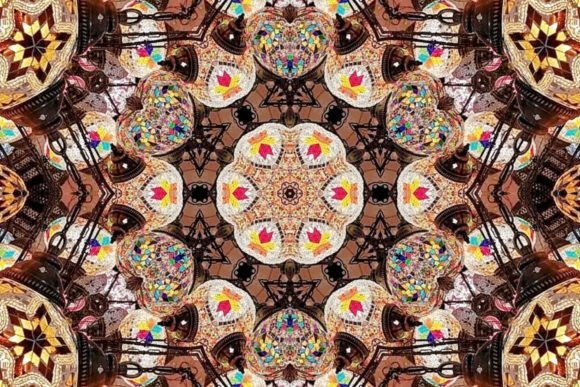
The visual language of Floral Motif Design is rich and expressive. It typically features stylized flowers, leaves, vines, and other natural elements arranged in rhythmic or symmetrical patterns. These designs can range from delicate and minimalist to bold and ornate, depending on the artistic direction. When paired with modern techniques such as 3D rendering or kaleidoscopic repetition, they evolve into something fresh while still honoring their traditional origins.
One of the key characteristics of this motif is its adaptability. The soft curves and organic shapes of floral patterns contrast beautifully with geometric or abstract styles, making them ideal for balancing design elements. Their intricate details also allow for a wide variety of color palettes—think muted pastels for a vintage look or vibrant hues for a trend-driven aesthetic.
Why It Works for Contemporary Projects
In today’s design landscape, there's a strong pull toward nostalgic yet modern visuals. The retro charm of vintage floral prints finds new life when reinterpreted through digital tools and all over print layouts. This makes them perfect for products like tote bags, aprons, bandanas, and even sneaker designs where texture and pattern are central to the appeal.
For instance, using a baroque-inspired floral motif on a shower curtain adds an air of luxury and drama, while a simpler version might work better for a yoga mat or tea towel. The same motif can be adapted for keychain designs, logo elements, or website backgrounds, proving how adaptable and timeless these patterns truly are.
Applications Across Diverse Industries
- Clothing & Apparel: From dresses and skirts to leggings and sports bras, floral motifs bring warmth and femininity to fashion lines. A subtle kaleidoscope pattern background can elevate a basic t-shirt into a standout piece.
- Home & Lifestyle Products: Think beyond the obvious—floral motifs can transform napkins, tablecloths, and bath mats into cohesive, elegant sets. A mandala-style floral print works especially well for throw pillows or wall coverings.
- Digital Media: As a background for websites or social media graphics, floral motifs create a welcoming atmosphere. They’re often used in editorial design for magazines or blogs focused on wellness, lifestyle, or gardening.
- Packaging & Branding: For entrepreneurs launching a line of eco-friendly products, floral motifs help establish a brand identity rooted in nature and craftsmanship. Consider using them on pouches, mugs, or luggage tags to make your offerings feel more personal and premium.
- Stationery & Accessories: Coasters, postcards, and stickers benefit from floral accents. A vintage floral typeface paired with a clean sans serif font can enhance readability while keeping the design visually engaging.
Choosing the Right Font to Complement Your Design
When integrating text with Floral Motif Design, font selection plays a crucial role. If your design leans towards the baroque or vintage side, consider pairing it with a script font or handwritten typeface. These fonts echo the ornate feel of traditional floral artwork and help maintain a cohesive look across all design assets.
On the other hand, if you're going for a more modern typography approach—especially in web design or packaging—opt for a premium font that offers clarity without sacrificing elegance. A serif font can add refinement, while a sans serif font ensures legibility on digital screens or small items like face masks and fanny packs.
Always test your font choices with real-world applications. For example, try placing a floral logo element next to a potential font pairing on a mockup of a phone case or sneaker design. How does the text sit within the pattern? Is it readable at a glance? These practical tests will guide you to the best combination for your needs.
Designing for Print and Digital: Key Considerations
Floral Motif Design excels in both print and digital formats, but each medium requires thoughtful adjustments. In print, the physical texture of the material enhances the visual impact—especially for items like towels, carpets, or acrylic blocks. Here, the density and scale of the floral pattern matter. Too fine, and it may lose definition; too bold, and it could overwhelm the fabric or surface.
For digital use, like website backgrounds or social media banners, floral motifs should be optimized for screen resolution and load speed. Using layered SVG files or high-resolution PNGs allows for flexibility in scaling and responsiveness across devices. Don’t forget to evaluate contrast levels—especially if your text is placed over the design. You might need to adjust opacity or add a subtle white stroke to ensure legibility.
Real-World Examples and Practical Tips
Imagine a boutique selling handmade scarves. By incorporating a contemporary kaleidoscope pattern based on floral motifs, the brand instantly feels both artisanal and current. Similarly, a textile design for a pet blanket can include a floral border with a simple logo element in the corner, giving the product a personalized touch.
Here are some quick tips for working with floral motifs effectively:
- Balance Complexity: Use intricate patterns on larger surfaces like bed sheets or carpets, but simplify them for smaller items like coasters or stickers.
- Color Harmony: Stick to 2–3 main colors per design to maintain cohesion. Monochromatic florals are particularly effective for branding and editorial work.
- Layer Thoughtfully: Combine floral motifs with geometric shapes or solid blocks (like those found in acrylic block printing) to create depth and interest.
- Test Scalability: Ensure the design holds up when printed large (e.g., a shower curtain) or shrunk down (like on a water bottle label).
Branding and Audience Engagement
Floral Motif Design isn’t just about beauty—it's a powerful tool for building brand perception and audience engagement. Brands in the wellness, home décor, or fashion industries often use floral elements to evoke feelings of calm, creativity, and authenticity. When done right, these motifs become part of a brand’s identity, appearing consistently on everything from tote bags to table runners.
Consider how the personality of the motif aligns with your audience. A younger demographic might respond better to a trendy, digitally enhanced floral pattern, while a more mature group may appreciate the retro and vintage qualities of hand-drawn illustrations. Always aim for consistency in how the motif is applied across your brand identity to strengthen recognition and trust.
Where to Start: Creative Projects with Floral Motifs
If you're new to working with floral motifs, start with one or two core projects to test the waters. Here are some great options:
- Backpack Design: Add a floral accent panel to a neutral base for a stylish yet functional look.
- Website Background: Use a low-opacity floral overlay to give your site a soft, inviting vibe without distracting from content.
- Logo Element: Incorporate a single flower or leaf into your logo for a memorable, nature-inspired symbol.
- Editorial Design: Apply floral borders or headers to magazine spreads or blog templates for a curated, artistic feel.
- Textile Print: Create a repeating floral pattern for a duffel bag, visor, or flip flop collection that stands out in retail settings.
Once you’ve established a few successful uses, expand the motif into supporting assets like sticker sets, postcards, or carpet designs. Each application reinforces the motif as a signature element of your creative output.
Commercial Use and Licensing
When using Floral Motif Design for commercial purposes—such as selling custom backpacks, aprons, or bandanas—it’s essential to understand licensing. Many floral patterns available online require specific permissions for resale or mass production. Always check the terms provided by the designer or platform before finalizing your creative font and motif selections.
Some platforms offer commercial fonts and design assets under flexible licenses that allow for multiple applications. Others may restrict usage to personal or non-commercial projects. Knowing these limitations upfront helps avoid legal pitfalls and ensures your work remains professional and compliant.
Additionally, consider investing in a premium font that complements your floral design. Not only does it look more polished, but it also signals professionalism and quality to customers and clients alike.
Final Thoughts on Versatility and Value
Floral Motif Design continues to thrive because it speaks to a universal appreciation for beauty and nature. Whether you're a marketer looking to refresh a brand’s image, a blogger crafting a unique website theme, or a hobbyist experimenting with textile printing, this design style has something to offer everyone.
By blending traditional elements with modern trends like 3D rendering, kaleidoscope patterns, and mandala decorations, you can keep your work feeling fresh and relevant. And when paired with the right typeface and layout strategies, floral motifs can enhance readability, hierarchy, and overall visual impact across a wide range of projects—from a visually striking cover photo to a cozy throw pillow or a durable yoga mat.
So go ahead—explore the endless possibilities of Floral Motif Design. Let it inspire your next creative endeavor, whether it’s a bold statement in web design or a quiet touch in a napkin print. The key is to stay intentional, consistent, and true to the story you want to tell through your designs.