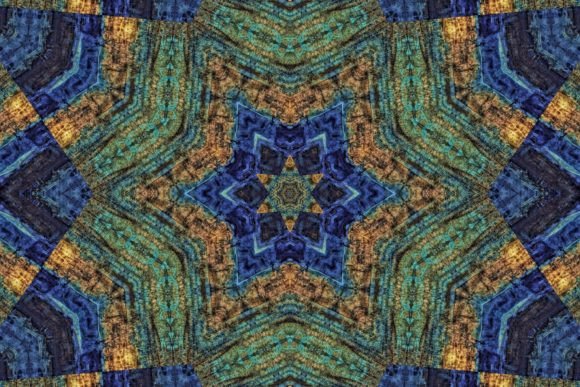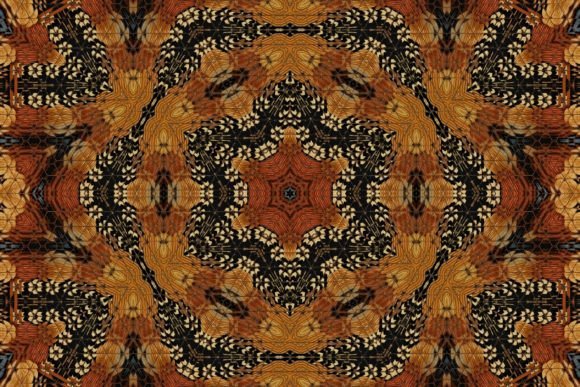
Abstract Background Art for Any Printing
Abstract background art has become a cornerstone of modern design, offering endless creative potential across various industries. Whether you're designing a website, creating custom apparel, or planning an interior space, abstract patterns provide a unique and versatile foundation. This article explores the world of abstract trendy background design, focusing on how it can be applied in Turkish fashion, Moroccan textile prints, Arabesque ethnic rug textures, geometric stripe ornaments, 3D illustrations for wallpaper, and more.
What is Abstract Background Art?
Abstract background art refers to non-representational visual designs that emphasize shapes, colors, forms, and gestural marks over realistic imagery. These backgrounds are often used to create depth, interest, and a sense of movement without distracting from the main content or subject. In the realm of printing, they serve as a canvas for storytelling, branding, and aesthetics.
The beauty of abstract background art lies in its adaptability. It can be minimalist or intricate, monochromatic or vibrant—offering something for every taste and need. For those who want to add personality and flair to their projects, abstract patterns provide a perfect starting point.
Applications Across Industries
From digital media to physical products, abstract background art for any printing finds its place in numerous fields. Here are some standout areas where it shines:
Turkish Fashion: Floor Tiles and Carpets
In Turkish fashion and interior design, abstract elements often merge with traditional motifs. Floor tiles and carpets, especially in contemporary spaces, benefit from abstract-inspired backgrounds. The repeating pattern design adds rhythm and sophistication while maintaining cultural relevance. Think bold geometric shapes paired with subtle color gradients to mimic the warmth of natural materials like wool or ceramic.
For small business owners selling home décor, using these designs can help create a signature style that blends heritage with modernity. You can download ready-made templates or customize them using vector software to fit your brand's identity.
Moroccan Textile Print: A Bold Statement
Moroccan textiles are known for their intricate details and rich symbolism. Integrating abstract trendy background design into these prints allows for fresh interpretations of classic styles. A repeated pattern with geometric stripes can echo the ornate tilework found in Moroccan architecture, adding a layer of authenticity to your fabric choices.
Designers can use these patterns in print work for T-shirts, home linens, or even as cover photos for online portfolios. The key is to maintain balance between the pattern’s complexity and the garment or surface it adorns. Too much detail may overwhelm, while too little could feel underwhelming.
Arabesque Ethnic Rug Texture: Bridging Tradition and Trend
Arabesque rugs feature flowing lines and floral motifs rooted in Islamic art. When reimagined through abstract background art, these designs take on a new life. The texture becomes the focal point, allowing for innovative uses such as digital wallpapers or printed themes for apps and websites.
Using an Arabesque-inspired abstract pattern gives designers a way to honor tradition while appealing to modern audiences. It works especially well for businesses targeting cultural markets or those looking to incorporate ethnic aesthetics into mainstream design trends.
Geometric Stripe Ornament Cover Photo: Simplicity with Impact
A geometric stripe ornament serves as a clean yet dynamic option for cover photos. Ideal for social media profiles, blog headers, or app interfaces, this style brings structure and clarity. The repetition of shapes creates a cohesive look that feels intentional and stylish.
Marketers and bloggers might find this type of design particularly useful. It helps establish a strong visual identity without being too busy. By downloading a high-resolution version of a geometric stripe pattern, you can quickly apply it to multiple platforms while maintaining consistency in your brand image.
Interior Decoration Ideas Using Abstract Backgrounds
When it comes to interior decoration, abstract background art offers a wealth of inspiration. From mosaic floors to wall coverings, here are a few practical ideas:
- Wallpaper Design: Use 3D illustrations with abstract geometries to create a focal wall. These designs can be downloaded and printed directly onto wallpaper, making them ideal for renters or homeowners alike.
- Theme Rooms: An abstract theme room combines different textures and colors in a harmonious layout. Pairing an Arabesque ethnic rug with abstract-patterned curtains or cushions can elevate the space dramatically.
- Floor Tile Concepts: For those renovating kitchens or bathrooms, abstract patterns in floor tiles offer a modern twist on classic tiling. Consider using a repeated pattern with a slight variation to add dimension and avoid monotony.
How to Choose the Right Pattern
Selecting the right abstract background art for any printing depends on your project's purpose and audience. If you're designing for a professional setting, opt for subtler tones and structured compositions. For personal or artistic ventures, bolder colors and fluid shapes may be more appropriate.
Here are a few tips to guide your choice:
- Understand Your Context: Will the pattern be used digitally or in print? High contrast and defined edges work better for screens, while softer gradients suit printed materials.
- Match the Scale: Small-scale patterns are great for fabric and embroidery, whereas large-scale abstract designs suit walls and large surfaces.
- Consider Repetition: Repeated patterns should align seamlessly. Test the pattern at full size before finalizing it for mass production or large installations.
New Trendy Embroidery and Batik Concepts
With the resurgence of handcrafted goods, abstract background art is influencing embroidery and batik techniques. These traditional methods now embrace modern geometries and color palettes, resulting in stunning, wearable art.
Entrepreneurs in the textile industry can experiment by overlaying abstract designs onto batik fabrics or using them as stencils for embroidery. The result is a fusion of old and new that appeals to both collectors and trend-seekers. Downloadable templates make it easy to begin experimenting with these concepts, whether you're working with silk, cotton, or synthetic blends.
Realistic Examples and Inspiration
To give you a clearer idea of how abstract trendy background design can be implemented, here are a few real-world examples:
- E-commerce Branding: A boutique selling handmade Turkish carpets might use an abstract geometric pattern as a recurring motif across product listings, packaging, and promotional banners.
- Home Interior Projects: A designer could blend a Moroccan-style textile print with a 3D-illustrated abstract background to create a statement wall in a client’s living room.
- App and Website Themes: Bloggers and developers often choose abstract backgrounds for their sites. A geometric stripe ornament can enhance readability while keeping the aesthetic engaging.
Practical Tips for Creating Your Own Abstract Backgrounds
If you're inspired to create your own abstract background art, here are some grounded strategies to get started:
Use Digital Tools for Flexibility
Tools like Adobe Illustrator or Procreate allow you to experiment with shapes, colors, and textures easily. Start with a base shape or line, then build layers around it. Remember to keep the file organized so it’s easy to modify later.
Download and Customize Ready-Made Patterns
Many platforms offer downloadable abstract background templates. These can be edited to match your specific needs. Look for royalty-free options if you plan to use them commercially.
Test Before Printing
Before applying your design to a carpet, tile, or T-shirt, always test it on a smaller scale. Print a sample swatch or preview it digitally to ensure it meets your expectations in terms of clarity and impact.
Conclusion
Abstract background art for any printing is more than just a design trend—it's a powerful tool for creators, marketers, and entrepreneurs. Its versatility allows it to fit into many contexts, from Turkish-inspired flooring to modern digital themes. With the right approach, you can harness the creativity of abstract patterns to craft original, meaningful, and visually striking projects.
Whether you're looking to update your portfolio cover photo, launch a new clothing line with batik prints, or redesign a commercial space with mosaic floors, abstract backgrounds provide the perfect foundation. They’re easy to use, adaptable, and timeless when done correctly.
So go ahead—explore the possibilities. Download a template, tweak the colors, and let your imagination guide the process. The world of abstract trendy background design is yours to shape.