Heart Head: Great Design for Any Purpose
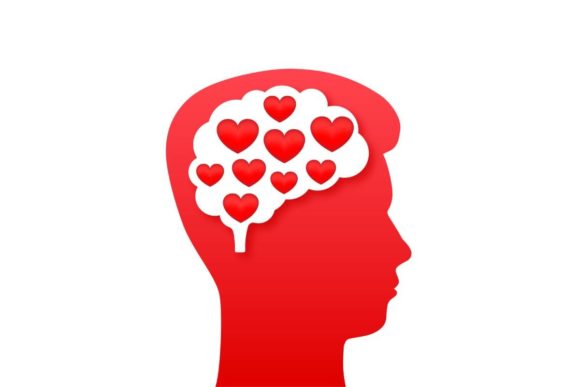
The Heart Head, also known as "Heart Head, Great Design for Any Purpose," is a 3D vector illustration that visually represents the concept of mental health and healthcare. This design features a stylized human head with a heart replacing the brain or integrated into the skull structure, symbolizing compassion, care, and emotional well-being. It's often used in contexts related to psychology, therapy, wellness, and medical services to evoke feelings of empathy and support.
What Is Heart Head?
Heart Head is a versatile visual asset created using 3D modeling and vector graphics techniques. It typically comes in multiple file formats such as JPG at 300 dpi with a resolution of 3000 pixels and an EPS file (version 10) for full editability. These files make it suitable for both digital and print use, ensuring high-quality output across various platforms and mediums.
As a mental health concept, the Heart Head serves as a metaphor for emotional intelligence, showing how feelings and care are central to the human mind. In healthcare design, it can be adapted to represent patient-centered care, holistic healing, or the importance of mental wellness in overall health strategies.
Why People Might Be Interested in Heart Head
- Visual Communication: Individuals and organizations involved in mental health advocacy or healthcare services may find this design useful for conveying complex ideas in a simple, engaging way.
- Marketing and Branding: The Heart Head can be incorporated into branding materials to highlight a company’s commitment to compassionate care or emotional well-being.
- Design Projects: Graphic designers and illustrators working on projects related to health, education, or social services might appreciate its adaptability and symbolic meaning.
- Print and Digital Use: With its high-resolution JPG and fully editable EPS format, the Heart Head suits a wide range of applications—from posters and brochures to websites and mobile apps.
Benefits of Using Heart Head
One of the key advantages of the Heart Head is its symbolic clarity. By merging the imagery of the brain and the heart, it effectively communicates the interconnectedness of mental and emotional health. This makes it particularly valuable in educational materials or campaigns aimed at raising awareness about mental health issues.
Another benefit lies in its adaptability. Because it's a vector illustration, the design remains sharp and clear regardless of size—ideal for everything from small icons to large banners. Additionally, the EPS format allows for easy customization, enabling users to adjust colors, shapes, and elements without losing quality.
The high-resolution JPG (300 dpi, 3000 pixels) ensures excellent print quality for professional materials like flyers, book covers, or magazine layouts. This dual-format availability gives users flexibility depending on their specific needs.
Tradeoffs and Considerations
While the Heart Head is a powerful visual tool, there are several factors to consider before using it:
- Context Sensitivity: The image is best suited for environments where the message centers around care and emotional support. It may not fit well in more technical or scientific presentations.
- File Format Limitations: The JPG file is static and cannot be edited like the EPS version. Users who need frequent modifications should prioritize the vector format.
- Design Style: The 3D vector style may not align with all design aesthetics. If your project requires a minimalist or flat design approach, you might need to rework or pair the Heart Head with complementary visuals.
- Originality Concerns: As a commonly used iconographic concept, ensure that the specific design you choose is unique enough for your brand or publication to avoid potential confusion or duplication.
When Heart Head Is a Strong Fit
The Heart Head works exceptionally well in the following scenarios:
- Mental Health Campaigns: When promoting initiatives focused on emotional wellness, therapy, or psychological support, this design reinforces the core message through symbolism.
- Healthcare Websites and Apps: It can serve as a visual anchor in user interfaces designed for mental health resources, counseling services, or patient support systems.
- Nonprofit and Educational Materials: Organizations that emphasize community care, mental health awareness, or youth programs can use it to create relatable and impactful content.
- Product Packaging and Merchandise: For items targeting emotional health or mindfulness practices, the Heart Head adds a meaningful and attractive visual element.
When Alternatives May Be Worth Considering
There are situations where other designs or concepts might be more appropriate than the Heart Head:
- Medical or Clinical Settings: In environments where professionalism and clinical accuracy are critical, such as hospitals or academic journals, a more realistic anatomical representation could be preferable.
- Technical Documentation: If your content is data-driven or focuses on physiological aspects of health, abstract or literal brain imagery might better suit your audience’s expectations.
- Global Audiences: Cultural interpretations of the heart and brain vary. In some regions, the Heart Head may not resonate as strongly or may carry unintended meanings. Researching local perceptions can help avoid miscommunication.
- Specific Demographics: Younger audiences may prefer modern, trendy illustrations, while older demographics might respond better to traditional or understated symbols. Tailoring your visuals accordingly can improve engagement.
Practical Decision-Making Insights
To determine if the Heart Head is the right choice for your project, ask yourself the following questions:
- Do I need a visual that clearly conveys emotional or mental health themes?
- Will the design be used in both digital and print formats? If so, does the JPG meet my print requirements?
- Is the ability to edit the illustration important for my workflow or brand consistency?
- Does the 3D vector style match the tone and aesthetic of my project? Or would a simpler, flatter design work better?
Additionally, consider the target audience and the message you want to deliver. The Heart Head is most effective when used to promote understanding, connection, and empathy. If your goal is to communicate something more analytical or detached, explore alternative visuals that align with those objectives.
Expectations and Best Practices
When working with the Heart Head, manage your expectations regarding usage and impact:
- Symbolic Impact: The design will likely be more effective as a supporting visual rather than the main focus. It should enhance—not overshadow—your message.
- Consistency in Use: To maintain brand recognition, use the same color scheme and style consistently across all media where the Heart Head appears.
- Accessibility: Ensure that the Heart Head is accompanied by clear text descriptions or alt tags, especially in digital contexts, to support accessibility standards.
- Testing Reactions: Before finalizing the design for widespread use, test it with a small audience to gauge whether it elicits the intended emotional response and clarity.
Final Thoughts
The Heart Head is a compelling visual metaphor that bridges the gap between the mind and the heart. Its 3D vector nature, combined with the availability of high-resolution JPG and editable EPS files, makes it a practical choice for many creative endeavors. However, its effectiveness depends on the context, audience, and message being conveyed.
For those seeking a versatile and expressive illustration for mental health or healthcare-related projects, the Heart Head offers a strong foundation. But for others who require precision, realism, or a different stylistic approach, alternatives may be more suitable. Careful evaluation of your goals and the design’s strengths and limitations will help you decide whether it fits your needs—or if another option might be worth exploring.